
Disaster Recovery Internet Solutions
Reliable Connectivity Starts Before the First Breakdown
When a hurricane, wildfire, or flood takes down local networks, emergency management teams still need to coordinate crews, share data, and keep the public informed. Disaster recovery internet is only useful if it’s ready the moment you reach the scene, which means the decisions that matter most get made long before the storm arrives. Your equipment has to survive the trip, set up quickly under pressure, and keep running when grid power and cell towers can’t.
Common Pitfalls That Break Disaster Recovery Communications
Connectivity doesn’t fail because teams forget to plan—it fails because hardware, setup, and environment break assumptions.
- Fragile Devices Damaged in Transport: Consumer-grade equipment fails under the mechanical stress of rapid disaster response deployment. Portable internet for disaster response requires ruggedized systems that survive transport to hurricane zones, wildfire sites, and flood areas.
- Complicated Setup Under Pressure: Complex configuration delays critical operations when disaster recovery internet solutions are needed most. Hurricane emergency communications and wildfire response demand systems that deploy in minutes, not hours.
- Environmental Stress: Wildfire response internet faces extreme heat and smoke. Hurricane conditions bring wind, rain, and salt spray. Flood disaster internet battles moisture and debris. Rural emergency internet endures temperature extremes and constant vibration.
- Consumer-Grade Batteries: Standard batteries lose capacity in temperature extremes and fail without warning. When grid power fails during disasters, portable internet for disaster response requires industrial-grade battery systems that perform reliably in the field.
Cell sites knocked out by Hurricane Helene – most extensive cell failure ever recorded during a hurricane (Sept 2024)
Of local governments have responded to a major disaster in past 15 years
FEMA COOP plans assume communications systems will be operational within 12 hours – “an optimistic assumption”
How Plum Solves These Pitfalls
Disaster recovery internet solutions engineered to eliminate the four critical failure points.
Ruggedized for Transport
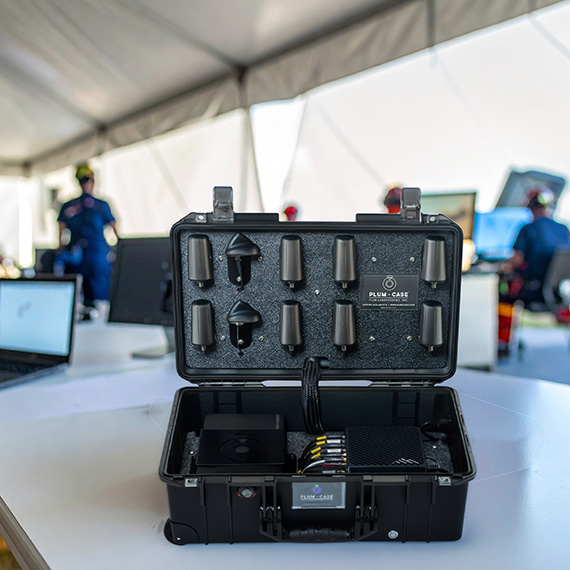
Military-grade cases protect satellite + cellular equipment during rapid deployment. Portable internet for disaster response that arrives at hurricane zones, wildfire sites, and flood areas fully operational.
Deploy in Minutes
Pre-configured systems with simple setup procedures. No complex configuration when setting up wildfire response internet or hurricane emergency communications—just open, power on, connect.
Field-Proven Durability
Designed for extreme heat, freezing cold, dust, salt spray, and constant vibration. Flood disaster internet and rural emergency internet systems that operate reliably in conditions that destroy consumer equipment.
Proprietary Power System
Integrated, high-capacity smart power designed to keep your Plum Case and connected devices running when grid power fails. Built for extended runtime in disaster recovery and emergency response environments.
Disaster Recovery Internet FAQ
Disaster recovery internet solutions provide emergency connectivity when infrastructure fails during hurricanes, wildfires, floods, or other disasters. These systems use satellite + cellular failover to maintain portable internet for disaster response teams, emergency operations centers, and affected communities.
Wildfire response internet systems are ruggedized to operate in extreme heat, smoke, and ash. Plum’s proprietary Antenna Array or satellite connectivity bypasses damaged cellular towers, ensuring firefighting teams and incident command centers maintain communications in remote burn zones where traditional infrastructure has failed.
Hurricane emergency communications face catastrophic infrastructure damage from wind, flooding, and extended power outages. Disaster recovery internet solutions with battery backup and satellite + cellular failover ensure emergency operations continue when coastal cellular networks and power grids fail.
Rural emergency internet serves remote communities with limited existing infrastructure. Portable internet for disaster response in rural areas must provide connectivity where cellular coverage is sparse or non-existent, supporting emergency operations during tornados, winter storms, and other disasters affecting isolated communities.